
Filing for bankruptcy in California means working within the federal court system—but your location determines which bankruptcy district, court division, and procedures apply to your case.
This page is designed to help California residents understand how the bankruptcy court system works and what to expect when filing in or near Oakland or Riverside. While court resources are public, navigating them alone can feel overwhelming. Our role is to guide you through the process so nothing is missed and deadlines are met.

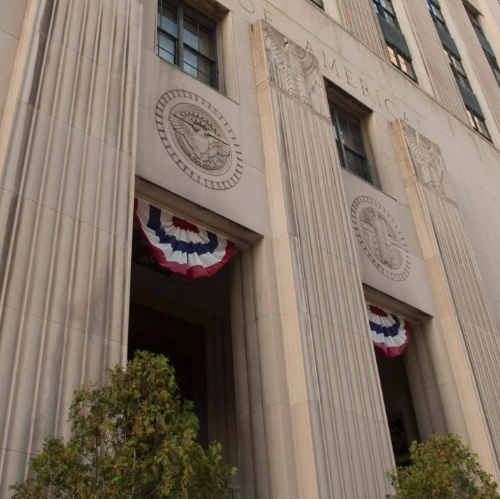
Bankruptcy cases in California are handled by the federal bankruptcy court system, with cases assigned based on county and ZIP code.
Two districts are most relevant for our California clients:
U.S. Bankruptcy Court for the Northern District of California
U.S. Bankruptcy Court for the Central District of California
Although bankruptcy law is federal, local court rules, trustee practices, security procedures, and filing logistics vary by district. That’s why working with attorneys familiar with your specific California court matters.
Bankruptcy cases for Oakland and many surrounding Northern California communities are handled through the Northern District of California.
U.S. Bankruptcy Court – Northern District of California
1300 Clay Street, Suite 300
Oakland, CA 94612
Hours:
Monday–Friday, 9:00 a.m. – 4:00 p.m. (excluding federal holidays)
Main Telephone:
(888) 821-7606
Judges Serving the Oakland Division
Judge Lafferty — Courtroom 220
Judge Novack — Courtroom 215
Divisional Office Coordinator:
Tracie Williams
All court visitors must present a valid driver’s license or government-issued photo ID to court security officers before entering the Clerk’s Office or any courtroom.
Visitors without proper identification will not be permitted to enter the premises.
Document drop box located in the 2nd Floor lobby
Available 7:00 a.m. – 4:30 p.m.
The Riverside Division serves Riverside County and San Bernardino County. Filing location is determined by your ZIP code or city.
U.S. Bankruptcy Court – Central District of California
3420 Twelfth Street
Riverside, CA 92501
General Information (Toll Free):
(855) 460-9641
Automated Case Information (Toll Free):
(866) 222-8029
No public parking is available at the courthouse.
Local public parking options (as of March 2024) include:
12th Street Parking Structure
3535 12th Street
Hours: Monday–Friday, 6:00 a.m. – 7:00 p.m.
Rates: First 30 minutes free; $2/hour; $8 maximum per day
Riverside County Administrative Center Parking
4090 Lemon Street
Hours: Monday–Friday, 6:00 a.m. – 7:00 p.m.
Rates: $2/hour; $8 maximum per day
Metered street parking is also available near the courthouse.
Bankruptcy cases are filed electronically, not in person
Many filers do not need to visit the courthouse
Trustee meetings and hearings may be held virtually or by phone
Court staff can provide procedural information, not legal advice
Your attorney will confirm which district and division apply to your case and whether any appearance is required.
California bankruptcy courts oversee:
Chapter 7 bankruptcy cases
Chapter 13 repayment plans
Creditor actions and objections
Trustee meetings and case administration
They do not provide legal advice, represent filers, or advise which chapter is appropriate for a specific situation. That’s where experienced legal guidance becomes critical.
Even though bankruptcy law is federal, outcomes can hinge on:
District-specific filing procedures
Trustee practices and expectations
Security and access requirements
Scheduling rules and documentation standards
Our attorneys routinely work within both the Northern and Central Districts of California, helping Oakland- and Riverside-area filers avoid delays, missed filings, or unnecessary stress.
These public resources may be helpful as general references:
California Courts – General court information
State Bar of California – Attorney information and consumer resources
(Note: These resources are informational only and are not a substitute for legal representation.)
If you’re considering bankruptcy in California, the most effective next step is a confidential consultation with an attorney who understands both the law and your local bankruptcy court.
We help clients:
Determine whether Chapter 7 or Chapter 13 may apply
Prepare filings correctly the first time
Navigate trustee meetings with confidence
Move forward with clarity and support
Schedule a free consultation today to learn how bankruptcy works for your California court.
Bankruptcy cases are handled by federal courts based on where you live. Oakland-area cases are filed through the Northern District of California, while Riverside-area cases are handled by the Central District of California. Your county and ZIP code determine which district and division apply.
Bankruptcy is always filed in federal court, not state court. California residents file through the U.S. Bankruptcy Court system, even though state-specific exemption laws still apply to the case.
Your bankruptcy filing location is determined by your county of residence. Oakland filings fall under the Northern District of California, while Riverside and San Bernardino County filings are handled by the Central District of California. Your attorney will confirm the correct district before filing.
Many bankruptcy cases do not require an in-person court appearance. Most filings are handled electronically, and trustee meetings or hearings may be conducted virtually or by phone. If an appearance is required, your attorney will let you know in advance.
A 341 meeting of creditors is a required step in every bankruptcy case. It is conducted by a bankruptcy trustee—not a judge—and may be held in person, by phone, or virtually depending on court procedures and your assigned district.
Yes. Bankruptcy courthouses require visitors to present a valid government-issued photo ID before entering the Clerk’s Office or any courtroom. Individuals without proper identification may be denied entry.
No. Bankruptcy court staff can provide procedural information only. They cannot give legal advice, help you choose a bankruptcy chapter, or assist with preparing or filing documents. Legal guidance must come from a licensed bankruptcy attorney.
Yes. Bankruptcy cases are part of the public record. However, sensitive personal information is protected, and access typically requires using the federal court system’s online case database.