
Filing for bankruptcy in Michigan means working within the federal court system—but where you live determines which court, which trustees, and which procedures apply to your case.
This page is designed to help Michigan residents understand how the bankruptcy court system works and what to expect when filing in or near Flint and Warren. While court resources are public, navigating them alone can feel overwhelming. Our role is to guide you through the process so nothing is missed and deadlines are met.

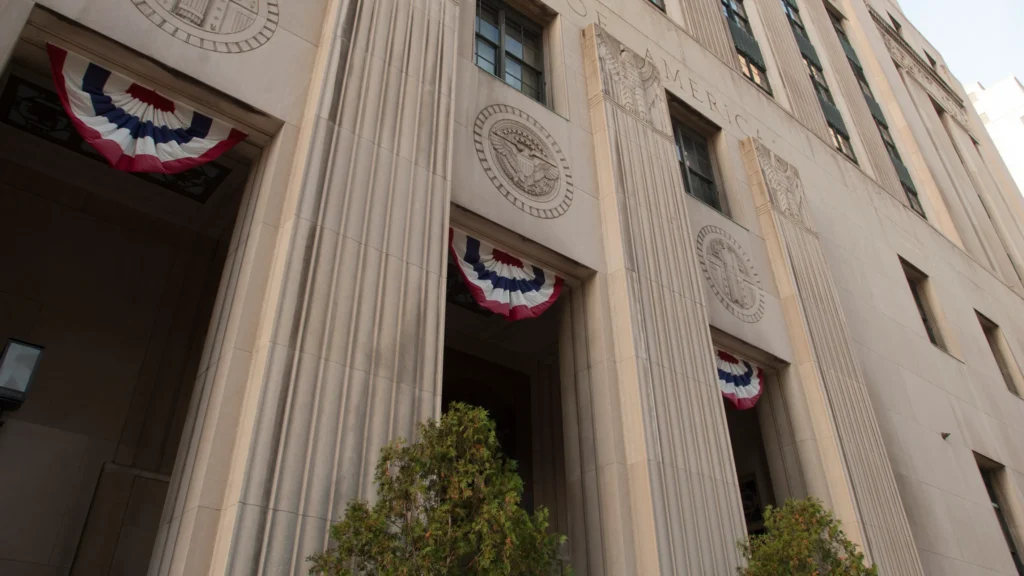
Bankruptcy cases in Michigan are handled by the U.S. Bankruptcy Court for the Eastern District of Michigan, which serves residents throughout Southeast and Central Michigan.
Although bankruptcy law is federal, local court rules, trustee practices, and filing logistics matter. That’s why working with attorneys who regularly file in Michigan courts—particularly for Flint and Warren clients—can make a meaningful difference.
Bankruptcy cases for Flint, Warren, and surrounding communities are handled within the Eastern District of Michigan. Depending on your location and case details, filings and trustee coordination may be associated with one of the court locations below.

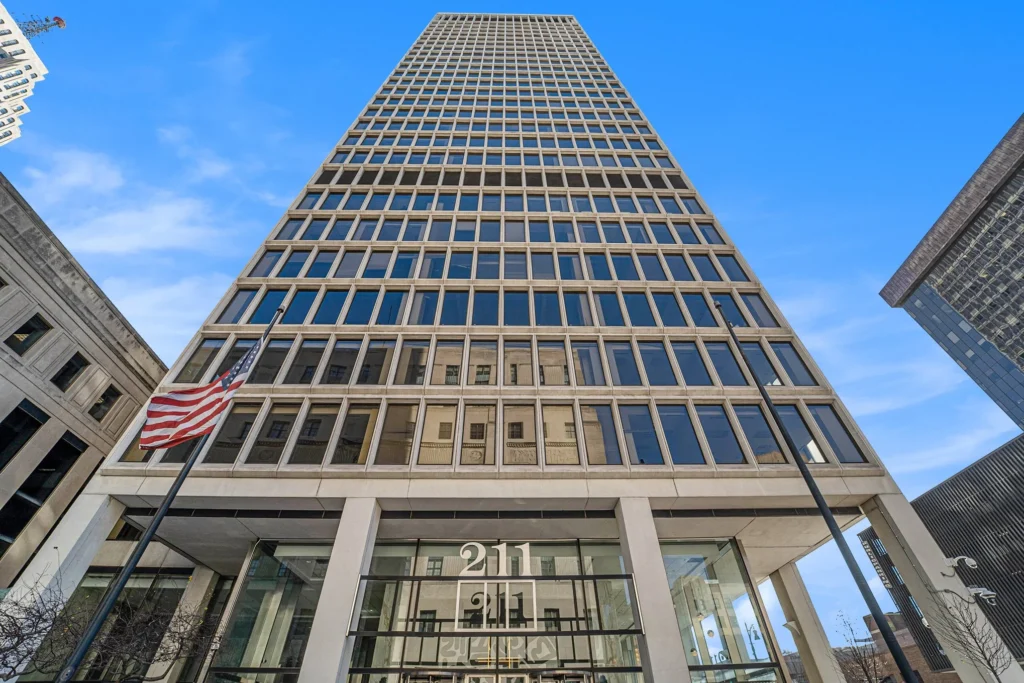
211 West Fort Street
Detroit, MI 48226
Hours:
8:30 a.m. – 4:00 p.m. (Monday–Friday)
The Detroit division handles administrative functions and proceedings for many cases filed throughout Southeast Michigan, including Macomb County and Warren-area cases.
111 First Street
Bay City, MI 48708
Hours:
8:30 a.m. – 4:00 p.m. (Monday–Friday)
This court location serves additional counties within the Eastern District of Michigan and may be involved depending on trustee assignments or case logistics.

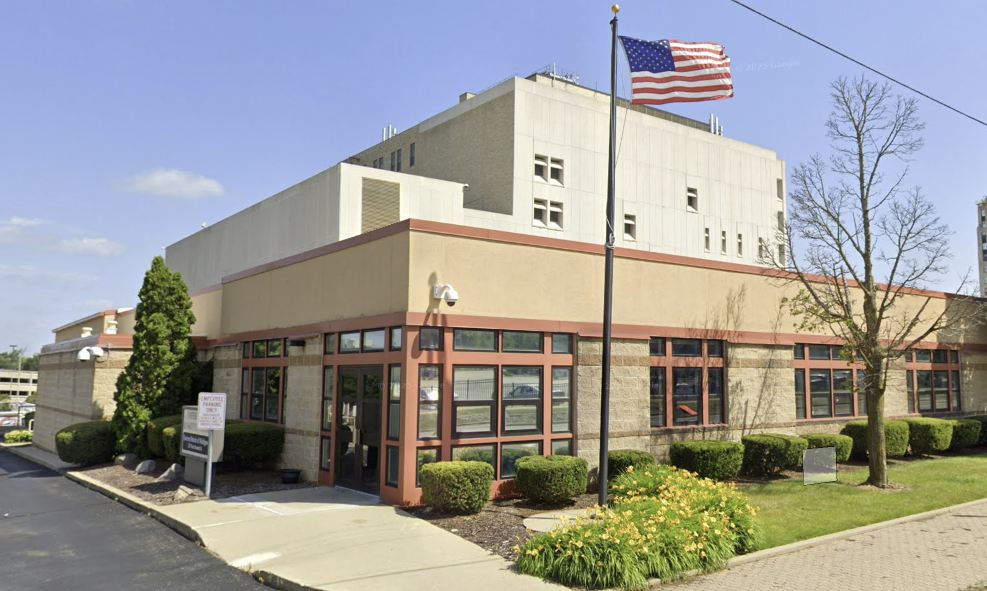
226 West Second Street
Flint, MI 48502
Hours:
8:30 a.m. – 4:00 p.m. (Monday–Friday)
This location commonly serves residents in Flint and Genesee County.
Bankruptcy cases are filed electronically, not in person
Most filers do not need to visit the courthouse
Trustee meetings and hearings may be held virtually or by phone
Court staff can provide procedural information, not legal advice
Your attorney will confirm which court location applies to your case and whether any appearance is required.
Michigan bankruptcy courts oversee:
Chapter 7 bankruptcy cases
Chapter 13 repayment plans
Creditor actions and objections
Trustee meetings and case administration
They do not provide legal advice, represent you, or advise which chapter is appropriate for your situation.
Even though bankruptcy law is federal, outcomes can hinge on:
How trustees review income and expenses
Local document expectations
Scheduling practices and deadlines
Court-specific procedural rules
Our attorneys routinely work within the Eastern District of Michigan and understand how cases are handled for both Flint and Warren filers—helping avoid delays, dismissals, or unnecessary stress.
These public resources may be helpful as general references:
Michigan Legal Help – Educational materials and forms
State Bar of Michigan – Attorney information and consumer resources
(Note: These resources are informational only and are not a substitute for legal representation.)
If you’re considering bankruptcy in Michigan, the most effective next step is a confidential consultation with an attorney who understands both the law and the local court system.
We help clients:
Determine whether Chapter 7 or Chapter 13 is appropriate
Prepare filings correctly the first time
Navigate trustee meetings with confidence
Move forward with clarity and support
Schedule a free consultation today to discuss your situation and learn how bankruptcy works specifically for your Michigan court.
Bankruptcy cases for both Flint and Warren are handled by the U.S. Bankruptcy Court for the Eastern District of Michigan. While the law is federal, court administration and trustee assignments depend on where you live within Michigan.
Bankruptcy is always filed in federal court, not state court. Michigan residents file through the U.S. Bankruptcy Court system, even though state-specific rules—such as exemption laws—still apply to the case.
A 341 meeting of creditors is a required part of every bankruptcy case. It is typically conducted by a bankruptcy trustee and may be held in person, by phone, or virtually depending on court procedures. This meeting is not held in front of a judge.
In many Michigan cases, court appearances are not required. Most Chapter 7 and Chapter 13 cases are handled without a formal courtroom hearing, though specific circumstances may require attendance. Your attorney will notify you if an appearance is necessary.
Your assigned court location is based on your county of residence. Flint and Warren residents both fall under the Eastern District of Michigan, though filings and trustee coordination may differ depending on your exact location.
No. Bankruptcy courts and court staff cannot provide legal advice or help you decide which type of bankruptcy to file. They can offer procedural information only. Legal guidance must come from a licensed bankruptcy attorney.
Yes. Bankruptcy filings are part of the public record. However, sensitive personal information is protected, and access typically requires using the federal court system’s online case database.