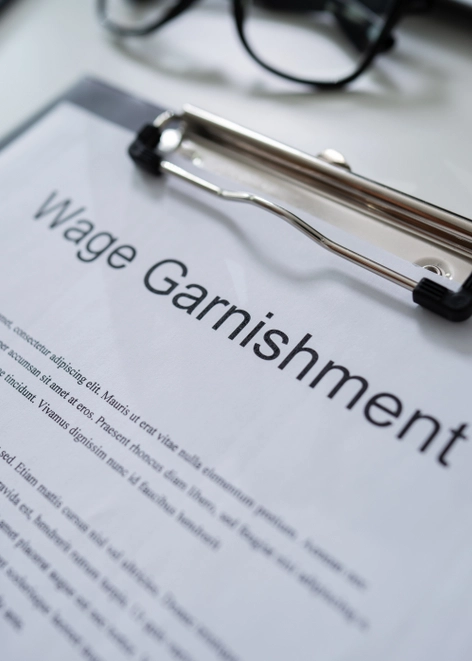
Wage garnishment occurs when a portion of your paycheck is withheld to repay a debt. Instead of receiving your full earnings, your employer is legally required to send part of your wages directly to a creditor.
For many people, garnishment comes as a shock — often showing up on a paycheck before they fully understand what’s happening or what options they have.
What Is Wage Garnishment?
Wage garnishment occurs when a portion of your paycheck is withheld to repay a debt. Instead of receiving your full earnings, your employer is legally required to send part of your wages directly to a creditor.
For many people, garnishment comes as a shock — often showing up on a paycheck before they fully understand what’s happening or what options they have.
Under federal law, creditors may garnish up to 25% of your disposable income, depending on the type of debt. Some state laws provide additional protections, but even a smaller percentage can quickly make it difficult to cover everyday expenses like rent, utilities, and groceries.
Why Wage Garnishment Is So Disruptive
Wage garnishment doesn’t just reduce your income — it can affect multiple areas of your life at once:
Financial strain: Less take-home pay means harder choices each month
Workplace stress: Employers are notified and must process the garnishment
Loss of control: Payments are taken before you ever receive your wages
Many people feel stuck, embarrassed, or unsure where to turn once garnishment begins.
Can Bankruptcy Stop Wage Garnishment?
When a bankruptcy case is filed, a legal protection called the automatic stay goes into effect. This court-ordered protection requires creditors to stop collection actions, including:
Wage garnishments
Bank levies
Collection lawsuits
Harassing phone calls and letters
As long as the garnishment is tied to a dischargeable debt, it must stop while your case is active. In some situations, it may even be possible to recover wages that were taken shortly before filing.
What About Child Support or Tax Garnishments?
Certain obligations, such as child support and some tax debts, are treated differently under bankruptcy law. While bankruptcy may not eliminate these debts, it can still help by:
Stopping other garnishments so you can focus on priority obligations
Creating a structured repayment plan (in Chapter 13 cases)
Reducing overall financial pressure
The right approach depends on your specific situation, income, and debt type.
UNDERSTANDING YOUR OPTIONS
Every garnishment case is different. The fastest way to protect your income is to understand:
Why your wages are being garnished
Which debts are eligible for relief
Whether Chapter 7 or Chapter 13 bankruptcy may apply
How quickly protections can begin
A knowledgeable bankruptcy attorney can walk through these factors and help you determine the most effective next step.
Get Clear Answers About Wage Garnishment
If your paycheck is being garnished and you need relief, Kostopoulos Bankruptcy Law helps individuals understand their rights and options under bankruptcy law.
You can speak with a legal professional about your situation by calling (877) 969-7482 or requesting a free case evaluation online.